with Noosa Electric Co. — Trusted since 1973
Quick answer: The right solar company in Noosa employs licensed Queensland electricians (not just installers), offers a workmanship warranty separate from the panel and inverter warranties, and has a physical local presence you can visit. Confirm these points before signing any quote.
Choosing a solar installer in Noosa is one of the few home improvement decisions that keeps paying you back — or costing you — for the next 25 years. With dozens of solar companies in Noosa competing for attention, most homeowners are comparing quotes on price alone, which is exactly how underperforming systems and voided warranties happen.
This checklist breaks down what actually separates a reliable local installer from a fly-by-night operator, so you can compare solar companies from Noosa to Twin Waters with confidence.
Join our Battery Tour
Interested in solar & batteries?
Join us for a tour of a recent battery installation in the Noosa Area.
1. Confirm They’re Licensed Electricians, Not Just Solar Fitters
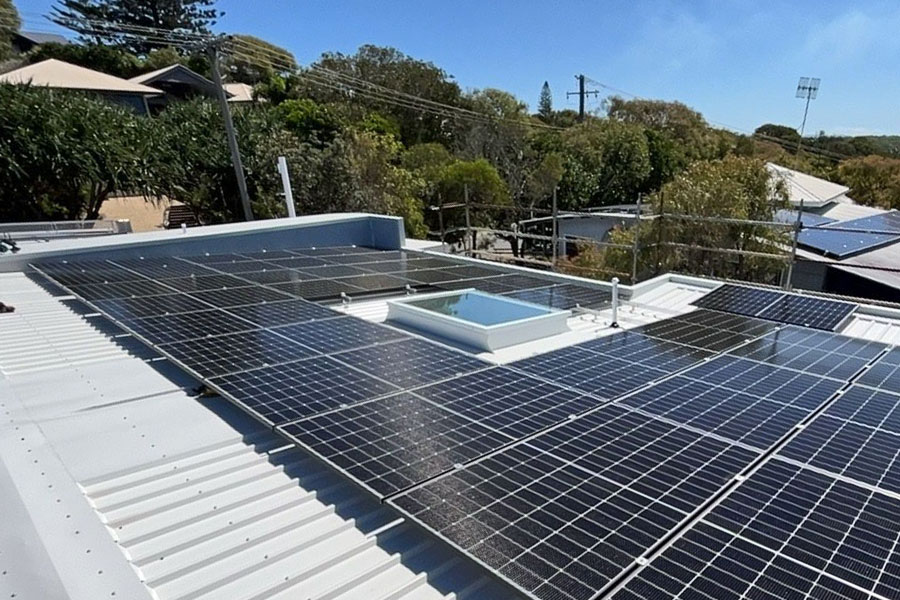
There’s a meaningful difference between a “solar installation team” and a fully licensed Queensland electrical contractor. Rooftop DC isolators, switchboard upgrades, and grid connection work all fall under electrical licensing law — not every solar installer holds one.
A residential solar installation Noosa job that touches your switchboard should always be signed off by a licensed electrician, which is also why longstanding electrical businesses (rather than solar-only franchises) tend to deliver safer, more compliant installs.
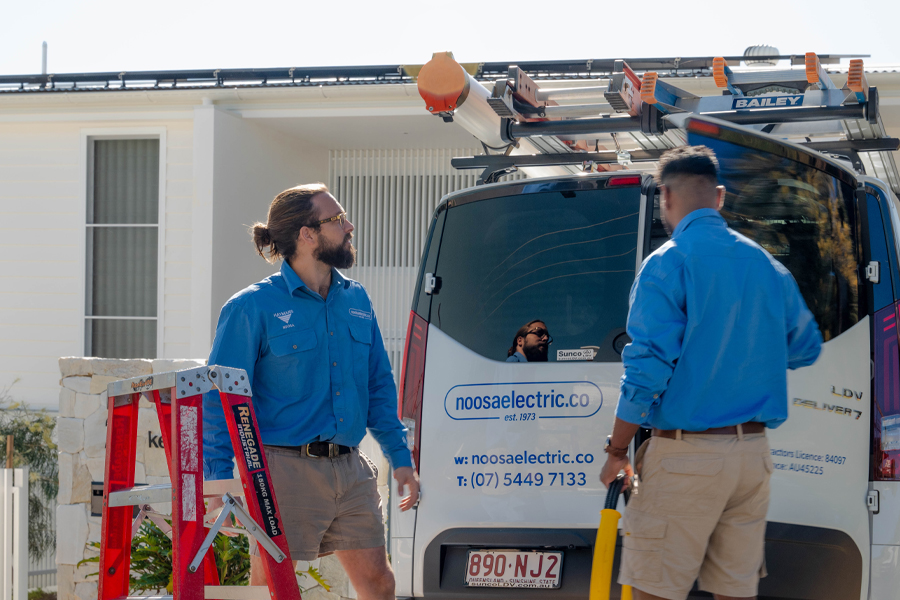
Noosa Electric Co is a licensed electrician: ARC Licence: AU45225
2. Ask About Panel Brand, Inverter Brand, and Warranty Terms Separately
Three warranties exist on every solar system: the panel manufacturer’s warranty (typically 25 years for performance), the inverter warranty (usually 5–10 years, sometimes extendable), and the installer’s own workmanship warranty (commonly 5–10 years, covering labour if something fails).
A solar panel installation Noosa quote that bundles these into one vague “warranty included” line is a red flag. Ask for each warranty period in writing, and ask what happens to the workmanship warranty if the installer closes down — established local businesses with decades of trading history carry far less of this risk than newer entrants.
4. Get a System Sized for Your Actual Usage, Not a Generic Package
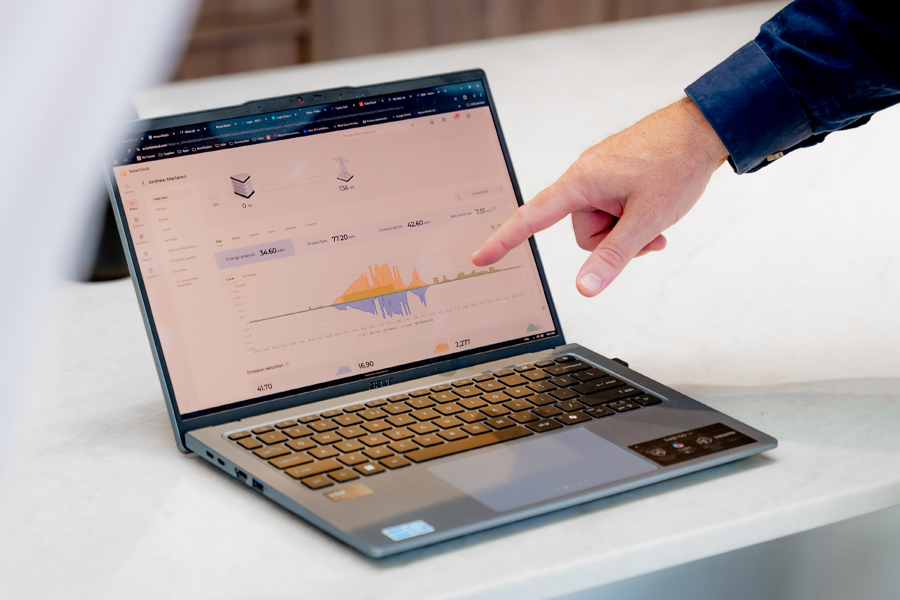
System sizing should account for your daytime usage patterns, roof orientation, shading, and whether you’re planning to add battery. Oversizing wastes money on export you’re barely paid for; undersizing leaves you still buying grid power at peak rates.
4. Check Local Reviews and Ask for Addresses You Can Drive Past
Search “solar companies in Noosa” and you’ll find a mix of genuinely local operators and interstate lead-generation companies that subcontract the install. A real local presence — a physical office or workshop, a fixed local phone number, and a track record of jobs you can find reviews for in your own suburb — is a stronger trust signal than a slick website.
NECO’s own customer reviews reflect over five decades of Sunshine Coast trading, which is the kind of longevity that matters when you’re relying on someone to honour a 10-year workmanship warranty.
5. Understand Grid-Connect vs Off-Grid Before You Compare Quotes
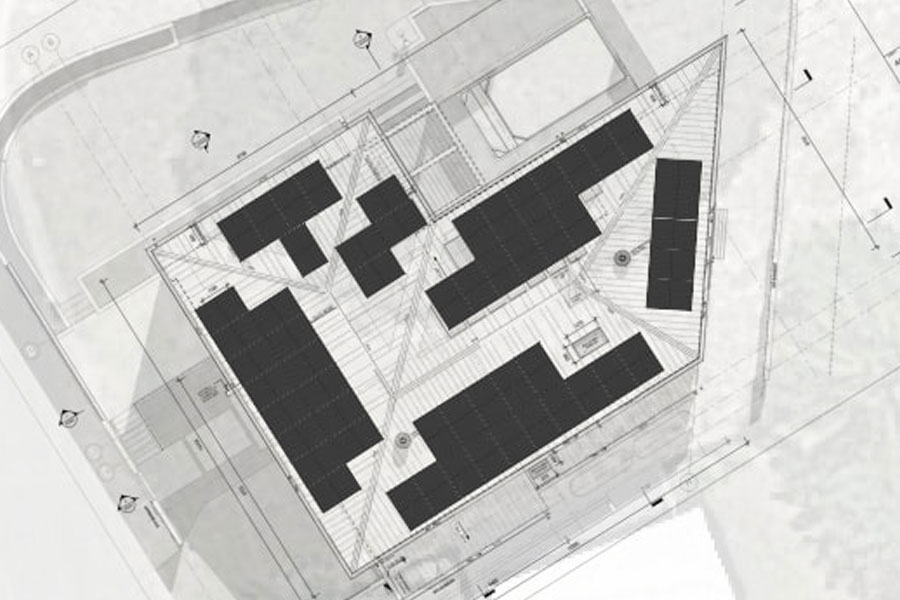
Most Noosa homes are grid connect solar systems, feeding excess power back to the grid and drawing from it when needed. A smaller number of rural or acreage properties opt for off-grid solar Noosa systems with larger battery banks and no grid reliance at all — a fundamentally different (and more expensive) system design.
If two quotes look wildly different in price, check you’re comparing the same category of system before assuming one installer is overcharging.
FAQ
Costs vary with system size, panel brand, and whether a battery is included, so an accurate figure requires a site-specific quote based on your roof and usage. Request an itemised quote from an accredited local installer rather than relying on generic online estimates.
Most standard rooftop solar installations don’t require council development approval, but grid connection always requires sign-off from your electricity distributor. A licensed local installer will manage this connection application as part of the job.
It depends on your household’s evening energy use and whether you’re currently exporting most of your solar generation for a low feed-in tariff. A local assessment of your last 12 months of bills will show whether a solar battery Noosa retrofit pays for itself within a reasonable timeframe.
Check how long the business has operated locally and whether it has a fixed address and long-standing reviews, rather than a name that only appears in the last year or two of search results. Longevity is the clearest available signal, since workmanship warranties are only as good as the company that issued them.
Grid-connect systems stay linked to mains power and export surplus energy, while off-grid systems rely entirely on batteries with no mains connection at all. The vast majority of Noosa homes use grid-connect systems; off-grid is typically reserved for rural properties without practical grid access.
Ready to Compare a Local, Licensed Option?
If you’re weighing up quotes, Noosa Electric Co.’s solar solutions page outlines how we approache system design, installation, and battery integration — backed by service on the Sunshine Coast since 1973. Contact our team for a quote or to learn more about Noosa Electric Co solar solutions.