
with Noosa Electric Co – Trusted since 1973
Quick answer: Preparing for storm season means having a licensed electrician check your switchboard and safety switches, fitting surge protection, planning for power outages and knowing how to act around fallen powerlines. Do it before the first big storm, because electricians are in high demand afterwards. Report fallen powerlines to Energex on 13 19 62, or call 000 if anyone is in danger.
Storms on the Sunshine Coast are fast, loud and hard on electrical systems. A nearby lightning strike can send a surge through your wiring, heavy rain can find weak points in outdoor fittings, and a fallen tree can leave a street without power for a day or more. Most of this damage is preventable when the work is done in advance. This guide covers what a Sunshine Coast electrician checks, what you can do yourself and what to do when the weather hits.
Why storms are an electrical risk
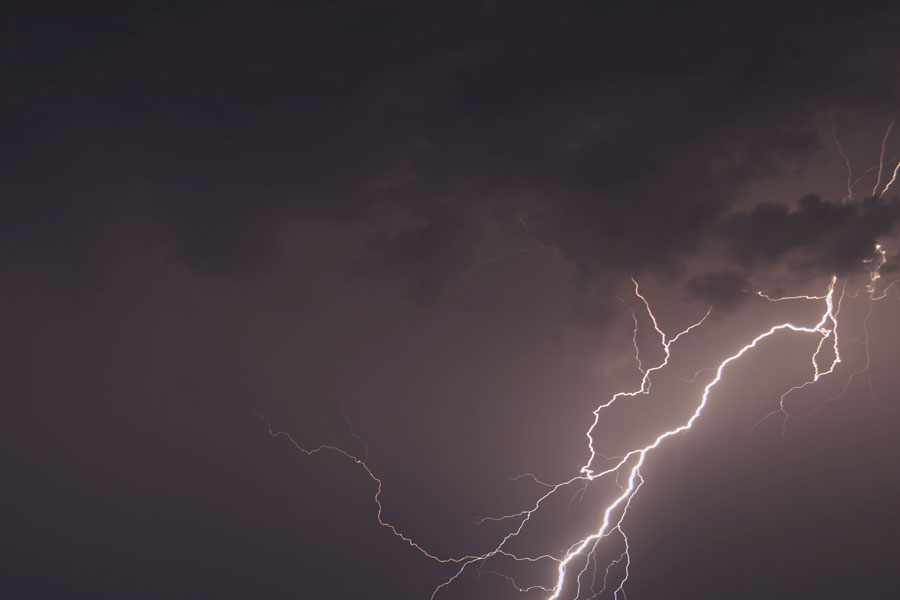
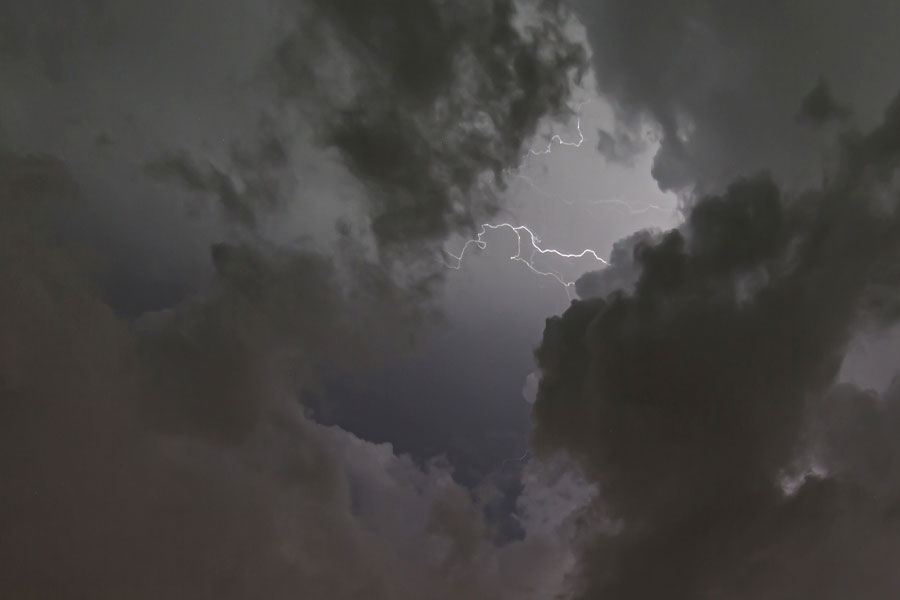
Storm season brings three electrical problems: surges from lightning, water getting into wiring and fittings, and power outages. The scale can be large. During the south-east Queensland storms of 24 November 2025, outages peaked at 162,000 Energex customers, with around 880,000 lightning strikes recorded and more than 900 powerlines down. The lightning in the images here is a reminder of how much energy is involved. A strike doesn’t have to hit your home to cause damage, because it can send a voltage surge through the powerlines and cabling connected to it. gcnews
Start with your switchboard
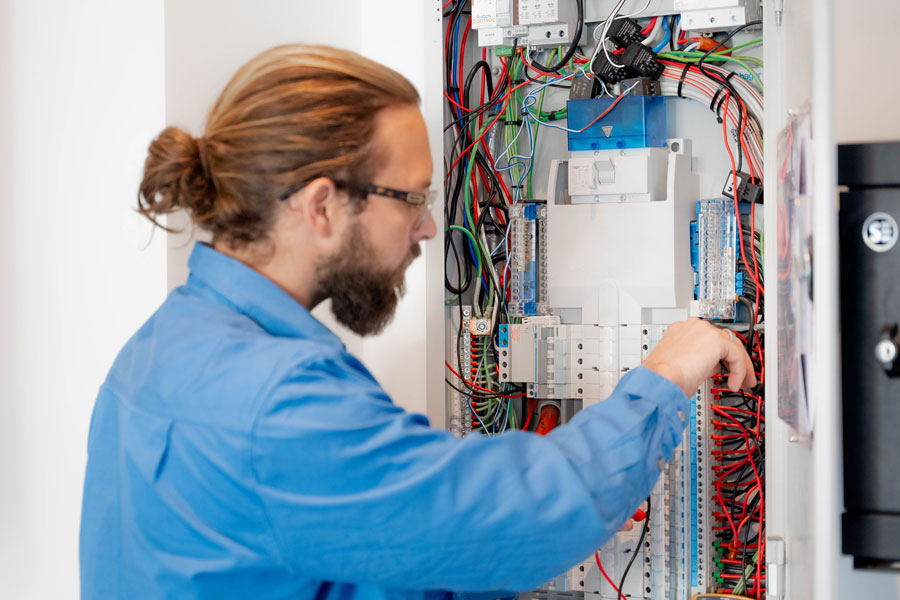
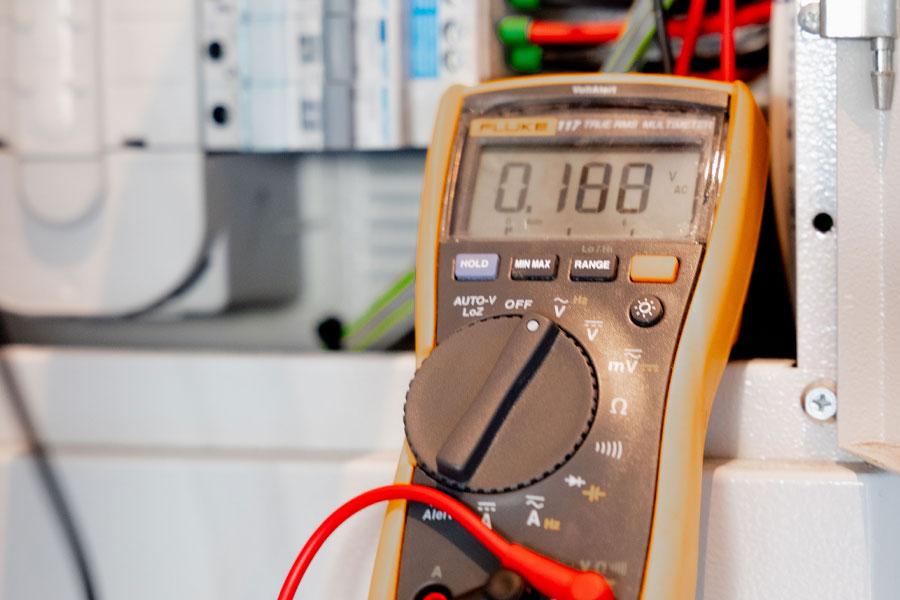
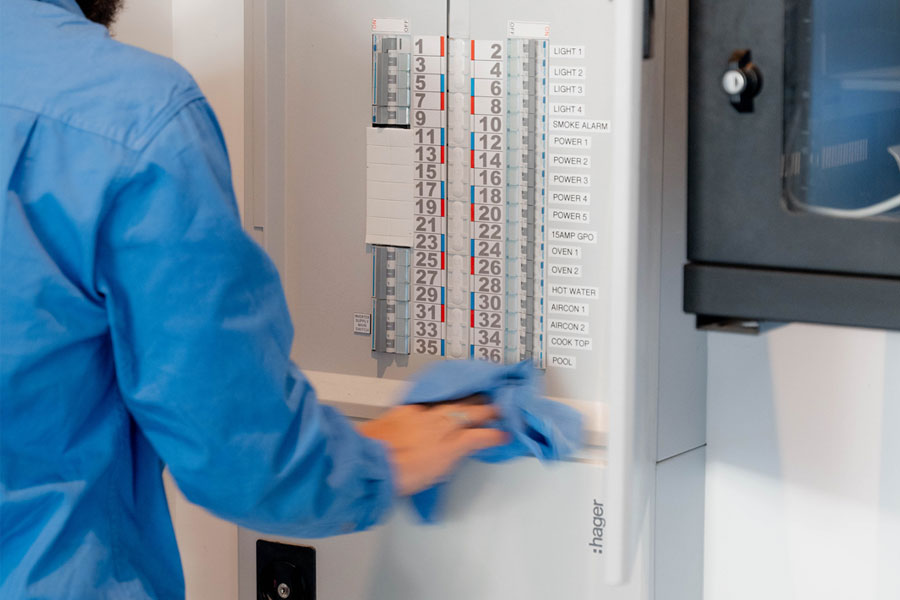
Your switchboard is where electrical problems tend to show up first. The images in this article show a Noosa Electric Co. electrician checking and cleaning a labelled switchboard, working on the wiring inside one, and testing with a multimeter. A switchboard check covers:
- Safety switches. Press the test button on each safety switch (RCD) every three months. It should trip straight away. If it doesn’t, call an electrician.
- Labelling. Every circuit should be clearly labelled, as in the pictured board, so you can isolate the right circuit in an emergency.
- Warning signs. A burning smell, discolouration, a warm cover, buzzing or breakers that keep tripping all need attention. Our guide explains how to know if your switchboard needs updating.
- Condition and capacity. Older boards with ceramic fuses or no safety switches are less protected against storm-related faults.
Only a licensed electrician should open a switchboard cover or work on the wiring inside it.
Add surge protection
Surge protection devices (SPDs) limit the voltage spike that reaches your appliances. There are two layers:
- Switchboard SPDs protect the hard-wired circuits in the home, including air conditioners, ovens and hot water.
- Plug-in protectors cover sensitive equipment such as TVs, computers and routers.
Surge protection reduces the risk from surges but cannot stop a direct lightning strike. During a severe storm, unplug sensitive equipment if it’s safe to do so. Our electrical services include switchboard surge protection.
Check what the weather can reach
Look at the fittings exposed to rain and wind:
- Outdoor power points and their weatherproof covers
- Pool equipment, garage and shed wiring
- External lights and cabling (see our outdoor lighting solutions)
- Cracked conduit, loose enclosures and signs of corrosion
If water has entered an outdoor fitting, isolate the circuit at the switchboard if it is safe and dry to do so, then call an electrician.

Plan for power outages
Decide in advance what you need to keep running. Typical priorities are the fridge and freezer, lights, phone charging, internet and any medical equipment.
Solar alone won’t keep the lights on. Grid-connected solar systems shut down during a blackout by design, to protect line workers. A solar battery with backup capability can supply selected circuits instead, such as the fridge, lights and internet. Not every battery includes backup, so confirm this before you buy. Read about battery solutions, the benefits of a battery, and our solar and battery installations in Noosa. For an example of a system built for independence, see this off-grid battery installation and the home battery subsidy page.
Generators. A portable generator must never be plugged into a power point to feed the house. Connecting one safely requires a changeover switch installed by a licensed electrician. Run generators outdoors, never in a garage or enclosed space.
Smoke alarms. Hardwired alarms have a backup power source, but check that they work before storm season. Our smoke alarm services cover testing and compliance ahead of the 1 January 2027 deadline.
During and after a storm
- Fallen powerlines: stay at least 10 metres away, assume they are live, and call 000 or Energex on 13 19 62. energex
- Lost power: report supply problems to Energex on 13 62 62. getready
- Water in your electrics: if water has reached your switchboard, power points or appliances, keep the power off and call a licensed electrician before switching anything back on.
- After power returns: turn appliances back on gradually. A damaged appliance can be repaired by our appliance repair team.
- Clean-up: debris can hide live lines. Don’t move fallen branches near powerlines.
Pre-storm checklist
- Test your safety switches.
- Book a switchboard check if it has been a few years.
- Fit or review surge protection.
- Inspect outdoor power points and fittings.
- Test your smoke alarms.
- Charge power banks and torches.
- Know whether your battery has backup, and which circuits it supports.
- Save the Energex numbers in your phone.
Local electricians across Noosa and the Sunshine Coast
Noosa Electric Co. has serviced the region since 1973, and our vans are on the road across the Sunshine Coast, as pictured. We cover Noosaville, Tewantin and Peregian Beach, along with Cooroy, Pomona, Marcoola and Bli Bli. The pictured customer consultation shows how we work: we talk through your home and your concerns, then recommend what makes sense.
Frequently asked questions
Every three months. Press the test button on each safety switch, and it should trip immediately. If it doesn’t, have an electrician check it.
It reduces the risk from voltage surges that travel through wiring, but it can’t stop a direct lightning strike. Unplug sensitive devices during severe storms if it’s safe to do so.
Not on their own. Grid-connected systems shut down during an outage for safety. A solar battery with backup capability can power selected circuits.
Stay at least 10 metres away, treat the lines as live and warn others. Call 000 if anyone is in danger, or Energex on 13 19 62 to report them.
Before storm season, or sooner if you notice a burning smell, buzzing, discolouration or repeated tripping. Older boards without safety switches should be checked first.
Get ready before the first storm
Don’t wait for the first big storm to find a weak point. Book a switchboard check and storm-readiness inspection with Noosa Electric Co. today for fast, reliable service across the Sunshine Coast.