
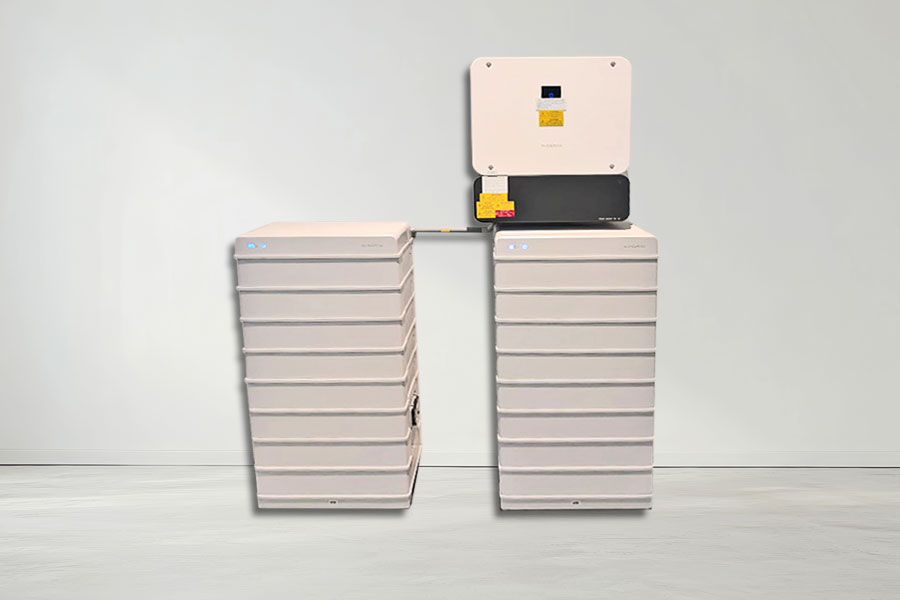
Quick answer: The federal battery rebate under the Cheaper Home Batteries Program drops on 1 January 2027, when the STC factor falls from 6.8 to 5.7 certificates per kWh, a cut of about 16%. A 10 kWh battery installed in 2026 earns roughly $2,520 in rebate, while the same battery installed in the first half of 2027 earns roughly $2,110. The battery must be installed, not just quoted, before 1 January to receive the 2026 rate.
If you have been weighing up a home battery, the deadline is now close. The federal battery rebate is stepping down on 1 January 2027, and every installation completed before that date locks in the higher rate. Noosa Electric Co. has been helping Sunshine Coast households with solar and battery systems since 1973, and this guide sets out exactly what changes, what it costs you in dollars, and how to plan your installation around it.
What is the Cheaper Home Batteries Program?
The Cheaper Home Batteries Program is the Australian Government’s home battery subsidy, running from 1 July 2025 to the end of 2030. It is delivered through Small-scale Technology Certificates (STCs). Your installer applies the discount directly to your invoice, so you do not lodge a claim yourself, and the program is not means tested.
To qualify, the battery must be connected to a rooftop solar system, be an approved model, and be installed by an accredited installer. Our home battery subsidy page covers eligibility in more detail, and our earlier article on the federal battery rebate changes explains the 1 May 2026 update.
For Queensland households, this is now the main battery subsidy available, which is why the timing of your installation matters.
What changes on 1 January 2027
The number of STCs a battery earns is set by the STC factor, a multiplier applied to each kWh of usable capacity. The factor falls every six months until the program closes in 2030.
| Installation period | STC factor (per kWh) | Approx. rebate per kWh* |
|---|---|---|
| May to December 2026 | 6.8 | $252 |
| January to June 2027 | 5.7 | $211 |
| July to December 2027 | 5.2 | $192 |
*Based on an STC value of about $37 after admin costs. The actual figure varies with the STC market price.
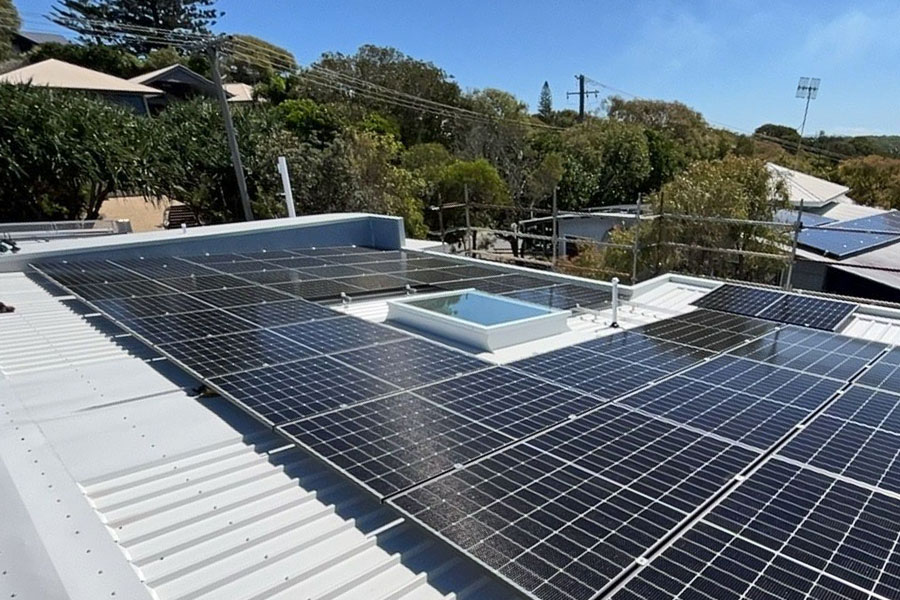
The step on 1 January is the first scheduled reduction since the tiered structure began. Waiting for prices to fall does not offset it, because the rebate is calculated on installation date, not on the date you sign a quote.
Join our Battery Tour
Interested in solar & batteries?
Join us for a tour of a recent battery installation in the Noosa Area.
How the tiers work
Since 1 May 2026, the rebate is also tiered by battery size. Only the first 14 kWh earns the full factor:
- 0 to 14 kWh: 100% of the STC factor
- Above 14 and up to 28 kWh: 60% of the STC factor
- Above 28 and up to 50 kWh: 15% of the STC factor
The rebate counts a maximum of 50 kWh of usable capacity. Anything above that earns nothing.
This changes how a battery should be sized. A modular system, like the stacked battery towers shown below, can be built to a specific capacity, so you can match it to your household’s actual use rather than buying the biggest unit available.
Our battery solutions page explains how capacity is matched to household use, and the battery benefits guide covers what a battery actually does day to day.
What the step-down costs in dollars
Using the figures above, here is the rebate difference for common battery sizes between an installation in 2026 and one in the first half of 2027:
| Usable capacity | Rebate in 2026 | Rebate Jan to Jun 2027 | Difference |
|---|---|---|---|
| 10 kWh | about $2,520 | about $2,110 | about $410 less |
| 14 kWh | about $3,520 | about $2,950 | about $570 less |
| 28 kWh | about $5,640 | about $4,720 | about $910 less |
These are estimates, not quotes. Your actual rebate depends on the STC price at the time of installation and the exact usable capacity of your chosen battery. The pattern is consistent, though: each six-month delay costs more than the last, and the loss grows with battery size.
Who should act before 1 January
The rebate drop matters most in three situations:
- You already have solar and want to add a battery. A battery can be retrofitted to an existing system. If your inverter is older, our guide to replacing an existing solar system covers your options.
- You are planning a larger system. Batteries above 14 kWh are most exposed to the combined effect of the tiers and the step-down.
- You want backup power for storm season. A battery with backup capability keeps essential circuits running through an outage. Our storm season electrical checklist lists what to check before the first summer storm.
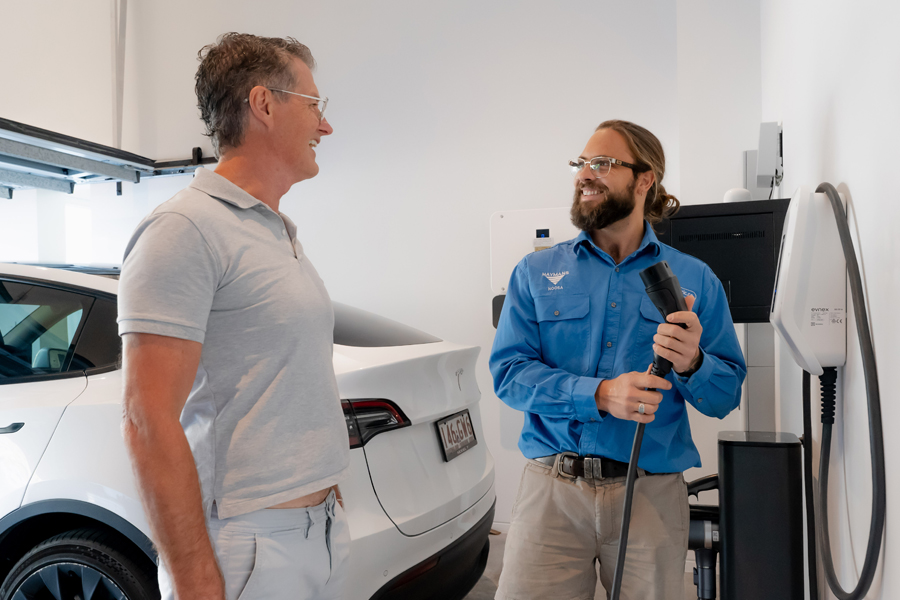
If your household is also considering an electric vehicle, a battery, solar and a home charger can work as one system. The charger in the image below is a common pairing, and our energy management solutions page explains how the pieces connect.
How to install before the deadline
A battery installation has several steps, and Christmas is a busy period for every trade on the Coast. A realistic timeline looks like this:
- Site assessment and quote. We check your solar system, switchboard and the location for the battery.
- Switchboard check. Older boards sometimes need an upgrade before a battery can be connected. Our guide on how to tell if your switchboard needs updating explains the warning signs.
- Ordering and scheduling. Approved batteries must be sourced and an installation date booked.
- Installation and commissioning. The system is installed, tested and registered.
The installation date, not the quote date, decides your rebate rate, so start the process early enough to finish before Christmas.
If you want to see an installation before you commit, we are running a battery installation tour on Tuesday 10 November, and our Sungrow battery installation case study shows a completed local project.
Why use a local battery electrician
A battery is a long-term investment, and the installer’s work affects both its safety and its performance. Noosa Electric Co. is a licensed local team servicing the Northern Sunshine Coast between Noosa and Mooloolaba, including Buderim, Bli Bli and Pomona. Our checklist for choosing a solar company sets out the questions worth asking any installer, and our guide to why local licensed expertise matters explains the reasoning.
Frequently asked questions
The next scheduled reduction is 1 January 2027. The STC factor falls from 6.8 to 5.7 per kWh and keeps falling every six months until the program ends in 2030. The rate you receive is set by your installation date.
For a 10 kWh battery, the estimated rebate falls from about $2,520 to about $2,110, a difference of roughly $410. A 28 kWh battery loses roughly $910. These figures assume an STC value of about $37 and will vary slightly with the market.
No. Your installer applies the STC discount to your invoice, so the price you pay already reflects it. The program is not means tested, but the battery must be connected to rooftop solar and meet the program’s approval requirements.
No. Above 14 kWh the rebate rate falls to 60%, and above 28 kWh it falls to 15%. A battery sized to your household’s evening usage often delivers better value per dollar than the largest unit available.
Yes. Batteries can be retrofitted to most existing rooftop solar systems, depending on the inverter and switchboard. A site assessment confirms what your home needs, and our solar battery guide for Noosa homes explains how storage fits with an existing system.
Book your battery assessment before the step-down
The 2026 rebate rate ends on 31 December, and installation dates before Christmas are limited. Book an online assessment with Noosa Electric Co. today. Trusted. Local. Since 1973.