If your solar system has been quietly doing its job for the past 10 to 15 years, there’s a good chance it’s not performing the way it used to — or the way today’s technology can. Ageing inverters, declining panel efficiency, and outdated battery options can all mean you’re missing out on savings that a modern system could deliver. If you’re considering an upgrade, here’s what to know about your options.
Signs It Might Be Time to Replace Your System
Before jumping into replacement options, it helps to know what’s prompting the change. Common signs include:
- Rising electricity bills despite having solar installed
- An inverter nearing or past its warranty period (typically 5–10 years)
- Reduced panel output, often due to age, damage, or outdated technology
- A system too small for your current household energy use
- No battery storage, meaning you’re missing out on using your own solar power at night
- Compliance or safety concerns with older components
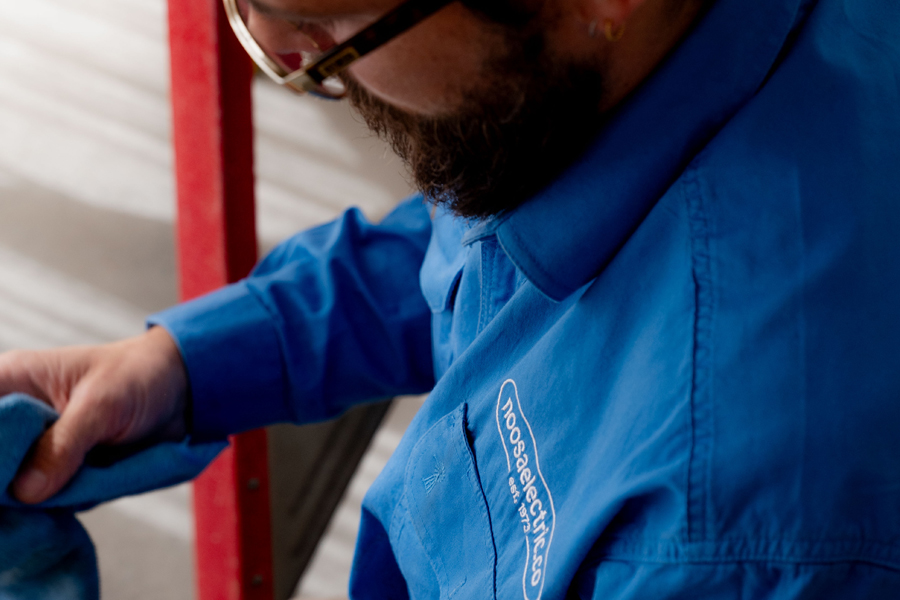
If any of this sounds familiar, a full assessment from a licensed solar technician is the best place to start. At Noosa Electric Co., our team can inspect your existing system and provide clear, honest advice on whether a full replacement, partial upgrade, or repair makes the most sense for your situation.
Option 1: Full System Replacement
For systems that are significantly outdated or underperforming, a full replacement is often the most cost-effective long-term solution. This typically involves removing the old panels, inverter, and any existing wiring, then installing a brand-new system designed around your household’s current and future energy needs.
Benefits include:
- Access to the latest, more efficient panel technology
- A modern inverter with smart monitoring capabilities
- The opportunity to right-size your system for your actual usage
- Manufacturer warranties on all new components
- Compliance with current Australian Standards
A full replacement is a bigger investment upfront, but for older systems, it often delivers the strongest long-term return through improved efficiency and reduced maintenance costs.
Option 2: Inverter Replacement Only
Sometimes it’s not the panels that are the problem — it’s the inverter. Inverters generally have a shorter lifespan than solar panels and are often the first component to fail or drop in efficiency.
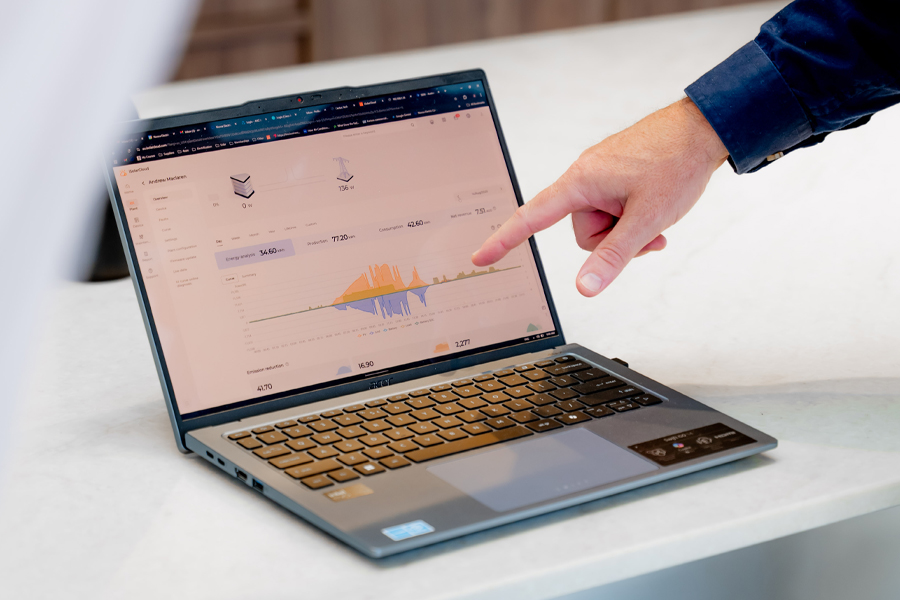
If your panels are still in good condition and producing solid output, replacing just the inverter can be a more affordable way to restore your system’s performance. Newer inverters also often come with smart features like app-based monitoring, allowing you to track your system’s performance in real time.
Option 3: Partial Panel Upgrade or Expansion
If your household’s energy needs have grown — perhaps due to a growing family, a home office, or the addition of an electric vehicle — but your existing system is still functioning well, a partial upgrade may be the answer. This involves adding additional panels to your existing setup to boost overall output, without needing to replace everything.
It’s worth noting that not all systems are compatible with expansion, particularly older ones. A qualified technician can assess whether your current inverter and wiring can support additional capacity, or whether other components will need upgrading at the same time.
Option 4: Adding Battery Storage
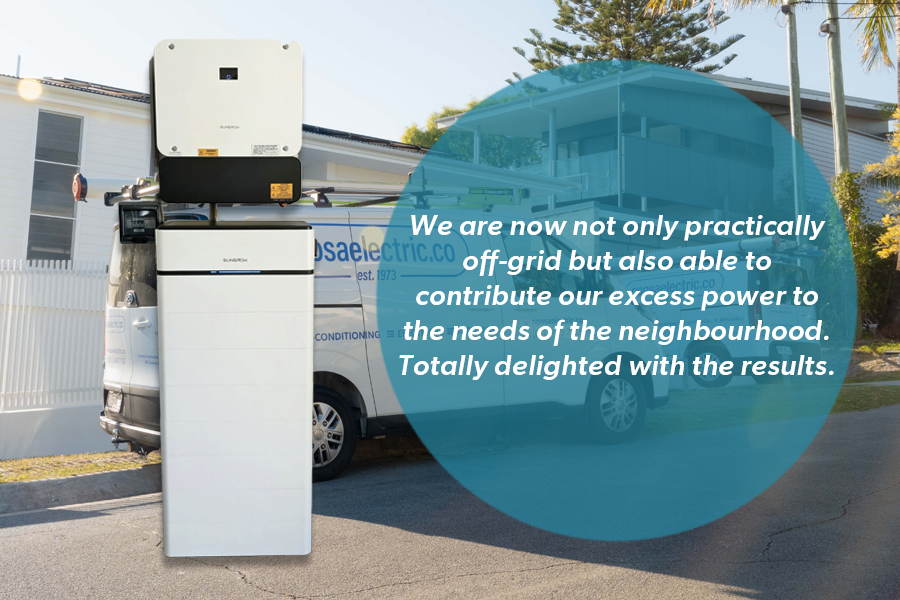
Many older solar systems were installed before battery storage became a mainstream option. If your panels and inverter are performing well but you’re not getting the most from your solar power — particularly if you’re exporting excess energy back to the grid for minimal return — adding a battery could make sense.
A battery allows you to store excess solar energy generated during the day for use in the evening, reducing your reliance on grid electricity and maximising the value of the system you already have. It’s also worth checking whether you qualify for the home battery subsidy, or the federal battery rebate, which can significantly reduce the upfront cost of adding storage to your system.
If you’d like to see how the process works before committing, you can book a battery tour to see a real installation for yourself. For a broader look at the advantages, our guide to battery benefits covers everything from cost savings to energy independence.
Making the Right Choice for Your Home
Every home and household is different, and the right solution depends on factors like your current energy usage, the age and condition of your existing system, your budget, and your future plans (such as an EV or home extension). There’s no one-size-fits-all answer — which is why a proper assessment matters.
Why Choose Noosa Electric Co.
With decades of experience servicing the Sunshine Coast, Noosa Electric Co. understands the local conditions, regulations, and energy needs that matter most to homeowners in our region. Our licensed technicians provide honest, practical advice — never a hard sell — so you can make the right decision for your home and budget.
Whether you need a full system replacement, an inverter upgrade, additional panels, or battery storage, we’ll assess your existing setup and recommend the most cost-effective path forward, backed by quality workmanship and full compliance with Australian Standards.
Call Noosa Electric Co. today for fast, reliable service across the Sunshine Coast — and find out what your solar upgrade options really look like.